How AI Gap Analysis Catches the Missing Medical Records That Sink Personal Injury Cases
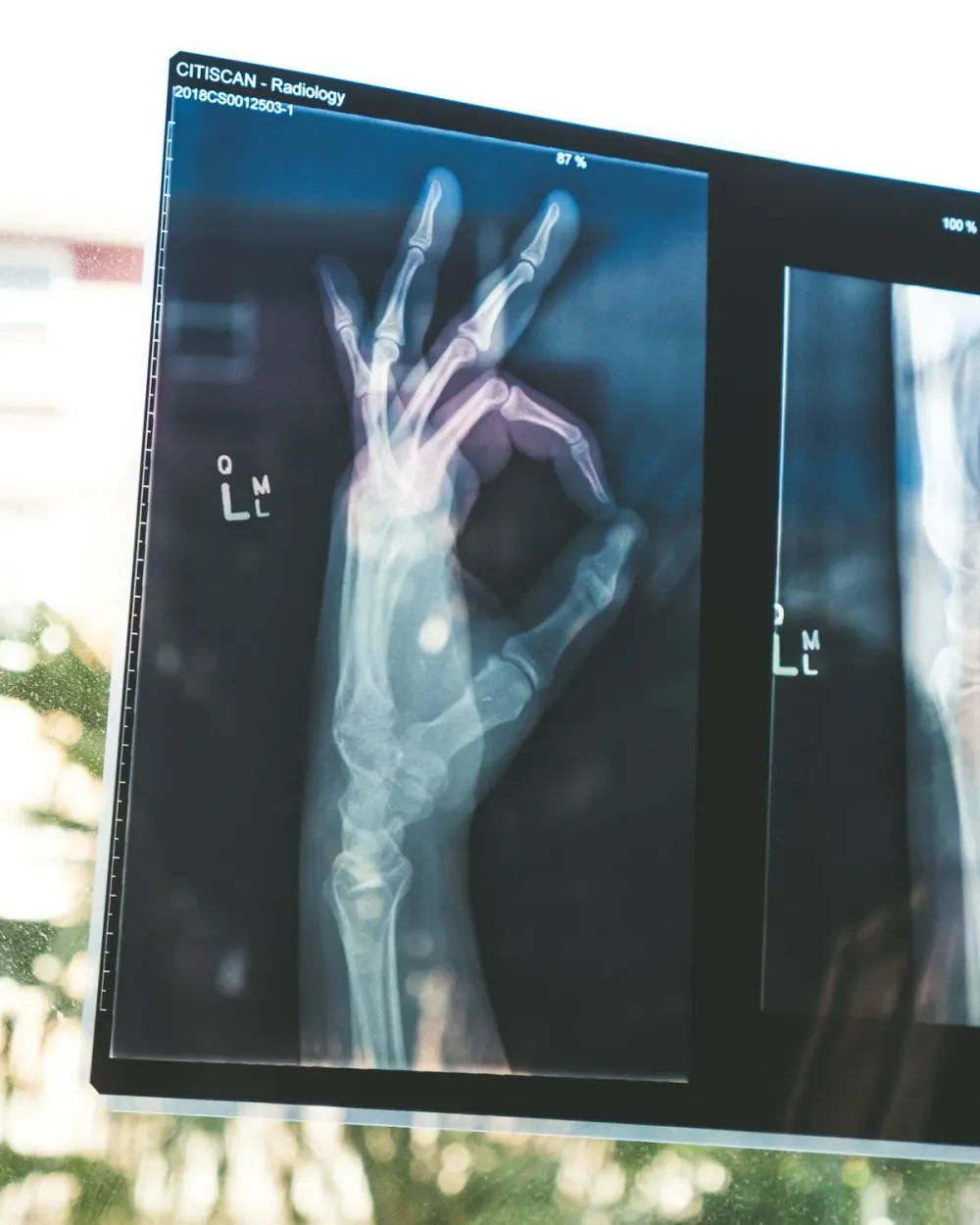
A single missing MRI report can cost your client $50,000 or more at settlement. Insurance adjusters know this. They look for holes in the medical record and argue that undocumented injuries never happened. In personal injury litigation, what is not in the file matters just as much as what is.
Medical records gap analysis cross-references every document in a case file to find missing records, treatment interruptions, and documentation inconsistencies. Done manually, this work takes paralegals 8 to 15 hours per case. AI tools now cut that time to under 30 minutes while catching gaps that human reviewers routinely miss. This guide covers how AI gap analysis works, which gaps matter most, and how to pick the right tool.
What Is Medical Records Gap Analysis?
Gap analysis is the systematic review of a patient’s complete medical file to identify records that should exist but do not. Every doctor visit, referral, imaging order, and prescription generates documentation. When one of those records is missing, it creates a gap that can weaken your case.
These gaps fall into three categories.
Missing records are documents referenced in the file but never produced. A physician note might reference “the CT scan from March 12,” but the actual imaging report is absent.
Treatment gaps are periods where a patient stopped seeking care. A 30-day gap in treatment within the first six months affects roughly one-third of personal injury cases. Insurance companies exploit these pauses to argue the plaintiff was not seriously hurt.
Documentation inconsistencies occur when two records contradict each other. A patient reports chronic back pain to their PCP, but the ER discharge notes list “no spinal complaints.” These mismatches give defense counsel ammunition at deposition.
Why Gaps Reduce Case Value
Cases with gap-free records settle for 20 to 40 percent more than cases with holes. Adjusters assign reserves based on documented injuries, so no documentation means no credit.
If you are building a medical chronology and three months of PT records are missing, the chronology shows inactivity and opposing counsel will argue the client recovered during that window.
The Manual Approach and Its Limits
Traditional gap analysis relies on paralegals flipping through hundreds of pages, cross-referencing dates, and maintaining spreadsheets. The process is slow and depends entirely on the reviewer’s attentiveness.
One missed reference on page 847 of a 1,200-page file means a missing record goes unnoticed until trial prep, when it is too late. A firm handling 200 active PI cases cannot perform thorough gap analysis on every file.
How AI Detects Missing Medical Records
AI-powered gap analysis uses natural language processing to read every page of a medical file. It extracts structured data: dates, provider names, procedure codes, and referrals. Then it compares what the records say should exist against what is actually present.
Reference Extraction and Cross-Matching
The core technology scans for references to other documents. When a physician’s note says “obtain records from Dr. Martinez,” the AI logs that reference. It checks whether those records appear anywhere in the file. If they do not, it flags the gap.
This logic applies to imaging orders, lab requests, and specialist referrals. The AI builds a map of every expected document and matches it against actual file contents. AI-powered cross-referencing can process a 2,000-page file in minutes.
Timeline Reconstruction
AI systems reconstruct treatment timelines automatically by extracting every date of service and plotting it on a calendar. A well-built AI chronology highlights treatment gaps visually.
The timeline view identifies care gaps between different providers. If a patient visited an orthopedist on January 15 and the next visit is April 22, the system flags that 97-day window.
Pattern Recognition Across Records
AI tools use pattern recognition to spot inconsistencies. A patient’s billing records show charges for three PT sessions in February, but the file has notes for only two. That discrepancy suggests a missing treatment note.
AI detects when prescriptions appear without corresponding diagnosis documentation. It catches follow-up appointments referenced in discharge instructions that never appear in the timeline.
Five Types of Gaps That Damage Cases
Not every gap carries the same weight. Some are minor administrative oversights, while others reduce a settlement by six figures.
| Gap Type | What It Looks Like | Impact on Case Value | How AI Catches It |
|---|---|---|---|
| Missing imaging | Order exists, report absent | High — loses objective evidence | Matches orders against reports |
| Treatment continuity | 14+ day break in care | High — defense argues recovery | Timeline date analysis |
| Referral chain breaks | Referral sent, no consult notes | Medium — weakens causation | Provider cross-reference |
| Billing mismatches | Charges without clinical notes | Medium — credibility risk | CPT/ICD code matching |
| Pre-existing gaps | No pre-accident baseline | High — enables pre-existing defense | Pre-accident date scanning |
Missing Imaging and Diagnostic Reports
Imaging studies are among the most commonly missing records. The ordering physician’s note exists, but the radiology report is absent. Without the MRI showing a herniated disc, you are left with subjective complaints only. AI catches these by matching imaging orders against radiology reports. Once a gap is confirmed, a targeted record retrieval request to the imaging facility closes it before the demand goes out.
On older files, check whether the facility is still required to hold the study before treating a non-response as stonewalling. State retention periods range from five years to permanent, and a study past its window may genuinely be gone. Building the request workflow around those deadlines is covered in our guide to AI medical record retrieval.
Treatment Continuity Gaps
Treatment gaps are the most exploited weakness in PI cases. Insurance companies argue that a break in treatment proves the injury was minor. A two-week gap between ER discharge and the first follow-up becomes a talking point at mediation.
AI timeline analysis identifies these automatically. It distinguishes between genuine lapses and gaps caused by missing records never produced during discovery.
Broken Referral Chains
Primary care physicians refer patients to specialists, who refer to sub-specialists. Each referral should produce records at both ends: the referral letter and the consultation notes. When the referral exists but the specialist records do not, the chain is broken.
A TBI patient might see a neurologist, orthopedic surgeon, pain specialist, and neuropsychologist. Missing records from any provider weakens the case.
Billing and Coding Mismatches
Billing records serve as independent verification of treatment. CPT codes and ICD-10 codes confirm that specific services were provided. When billing records exist but clinical notes are missing, the discrepancy needs investigation.
Pre-Existing Condition Gaps
Defense attorneys argue injuries are pre-existing rather than accident-related. Complete pre-accident records are essential for rebutting this defense. If your file is missing medical history from before the accident, you cannot prove baseline function. Gap analysis flags pre-accident periods where expected records are absent.
AI Gap Analysis Tools: Features That Matter
The market for AI medical record review tools has grown fast. Not every platform offers the same gap analysis capabilities. Here are the features that separate useful tools from superficial ones.
Automated Gap Flagging
The most valuable feature is automated gap flagging. The system identifies gaps without manual input. You upload the records and receive a report listing every missing document, treatment gap, and inconsistency.
InQuery provides source-linked gap detection with a human QA layer. Every flagged gap includes citations to the specific pages where the reference was found. Supio’s Case Signals flags missing documents on top of their medical timeline.
Source-Linked Citations
A gap flag is only useful if you can verify it. The best tools link every finding back to the source page in the original records. When the system says “MRI report referenced on page 234 not found,” you need to click and see page 234.
Source-linking also matters for building defensible chronologies. Every timeline entry should point to the underlying record. Gaps should point to the reference that proves a record is missing.
Comparing AI Gap Analysis Platforms
Choosing the right platform depends on case volume and budget. Here is how the leading options compare on gap analysis.
| Platform | Gap Detection | Source-Linked | Human QA | Pricing Model |
|---|---|---|---|---|
| InQuery | Automated | Yes | Yes | Per case |
| Supio | Case Signals | Partial | No | Subscription |
| EvenUp | Treatment gaps | Yes | Yes | Per case |
| CaseMark | Omission detection | Yes | No | Subscription |
| DigitalOwl | AI agents | Partial | Optional | Per page |
| Wisedocs | Timeline view | Yes | No | Per page |
| CaseFleet | Document intel | Yes | No | Subscription |
Cost Considerations
AI gap analysis platform costs vary widely. Per-case pricing works for firms with lower volume but high-value cases. Per-page pricing benefits firms processing large volumes, and subscription models suit firms with steady caseloads.
The ROI calculation is straightforward. If gap analysis catches one missing record that adds $10,000 to a settlement, the tool pays for itself.
Build vs. Buy
Some firms consider building internal gap detection tools or using general-purpose AI like ChatGPT. Neither works well for medical records.
The domain knowledge is too specialized. ICD codes, CPT codes, medical terminology, and provider naming conventions demand purpose-built training data. Off-the-shelf LLMs miss context that specialized platforms are designed to catch.
Implementing Gap Analysis in Your Practice
Adopting AI gap analysis requires workflow changes. Done right, it saves hundreds of hours per month.
Step 1: Centralize record intake. Gap analysis only works if all records are in one place. Every document from every provider goes into one digital file before review begins.
Step 2: Run gap analysis before chronology building. The ideal workflow runs gap analysis first, so you identify missing records early and request them before assembling the medical chronology.
Step 3: Act on gap reports within 48 hours. For missing records, send requests to providers immediately, and if your retrieval vendor is the slow step, compare retrieval companies on published turnaround. For treatment gaps, schedule a client interview to understand why care stopped.
Step 4: Track gap resolution. Maintain a log of identified gaps and their resolution status. This creates an audit trail that demonstrates diligence.
Step 5: Re-run analysis after new records arrive. New records often reveal additional gaps. The cycle continues until the file is complete.
Common Gap Patterns by Case Type
Different PI case types produce different gap patterns. Knowing what to expect helps your team prioritize review efforts.
| Case Type | Most Common Gap | Typical Cause | Risk Level |
|---|---|---|---|
| Motor vehicle accidents | Pre-accident medical history | Records never requested | High |
| Slip and fall | Incident report documentation | Property owner non-production | Medium |
| Medical malpractice | Nursing and operative notes | Defendant provider withholding | High |
| Workers’ comp crossover | Records split across systems | Dual-filing confusion | Medium |
MVA cases typically show gaps between ER discharge and the first follow-up. Clients wait days or weeks to see their PCP. The most damaging gap is missing pre-accident medical history. Without it, the defense argues every symptom is pre-existing.
Slip and fall cases frequently lack incident documentation. The property owner’s report and security footage may never reach the medical file. Premises liability cases also show gaps in orthopedic follow-up.
Malpractice cases have the most complex gap patterns. Records from the defendant provider may be incomplete or altered. Nursing notes, medication records, and operative reports are commonly missing, and AI tools that compare billing against clinical notes catch these discrepancies.
Workers’ comp crossover cases have records split across two systems. The comp file may contain records absent from the PI file, and gap analysis must account for both file sources.
Measuring the Impact on Case Outcomes
Firms that implement structured gap analysis report measurable improvements.
Settlement value increases are the clearest benefit. Complete records support higher demand amounts. When every injury is documented and every gap explained, adjusters have less room to discount claims. Firms report 15 to 25 percent higher settlements when gaps are resolved early.
Faster case resolution follows from catching gaps at intake. Cases that would have stalled over incomplete records now resolve in pre-suit negotiations. Automating the process from intake through gap analysis to demand accelerates the lifecycle.
Reduced write-downs save firm revenue. Incomplete records cause cases to settle below expectations. Gap analysis at intake identifies documentation problems before significant resources are committed.
Better client communication improves satisfaction. Your gap report shows exactly which records you need and why. Clients can help by contacting providers or explaining treatment interruptions.
The Role of Human Review in AI Gap Analysis
AI catches gaps that humans miss, but it also generates false positives. A reference to “Dr. Smith’s records” might point to records already in the file under a different provider name. Human review remains essential.
The best workflow combines AI speed with human judgment. The AI scans thousands of pages and produces a prioritized gap report. A paralegal reviews it, confirms genuine gaps, and dismisses false positives.
InQuery’s approach pairs AI extraction with a human QA layer. Every flagged gap is verified before it reaches the attorney. This hybrid model catches more gaps than AI alone or manual review alone.
Trust the AI for reference extraction, date matching, and timeline construction — these are pattern-matching tasks where machines outperform humans. Apply human judgment for context-dependent decisions. Is a 14-day gap clinically significant for this injury? Does a missing record actually affect case value?
Frequently Asked Questions
What is medical records gap analysis in personal injury cases?
Gap analysis is the systematic review of a case file to find missing documents, treatment interruptions, and documentation inconsistencies. AI tools automate this by cross-referencing every mention of records, providers, and procedures against what is in the file. The goal is record completeness before settlement negotiations or trial.
How does AI find missing records that paralegals miss?
AI reads every page and extracts references to other documents, procedures, and providers, then checks whether corresponding records exist. A paralegal reviewing 1,500 pages might miss a reference on page 1,100 to an MRI that was never produced. AI catches these because it processes every page with equal attention. AI tools detect patterns including symptom shifts, unexplained gaps, and cross-record inconsistencies.
How much does AI gap analysis cost?
Pricing varies by platform. Per-case pricing runs $50 to $300 depending on file size, and per-page pricing ranges from $0.10 to $0.50. Subscription models start around $500 per month. InQuery offers per-case pricing with source-linked gap detection and human QA included. Get started to see your firm’s costs.
Can treatment gaps be explained in settlement negotiations?
Yes, but you need documentation. Valid explanations include provider scheduling delays, insurance authorization waits, financial constraints, and pandemic closures. The key is documenting the reason before the adjuster raises it. AI gap analysis gives you early warning to gather explanations proactively.
Should gap analysis happen before or after building a chronology?
Before. Running gap analysis first identifies missing records you can request before assembling the chronology. Building a chronology from incomplete records creates a flawed timeline that must be revised later. The recommended workflow is: collect records, run gap analysis, request missing records, then build the chronology.

Erick Enriquez
CEO & Co-Founder at InQuery